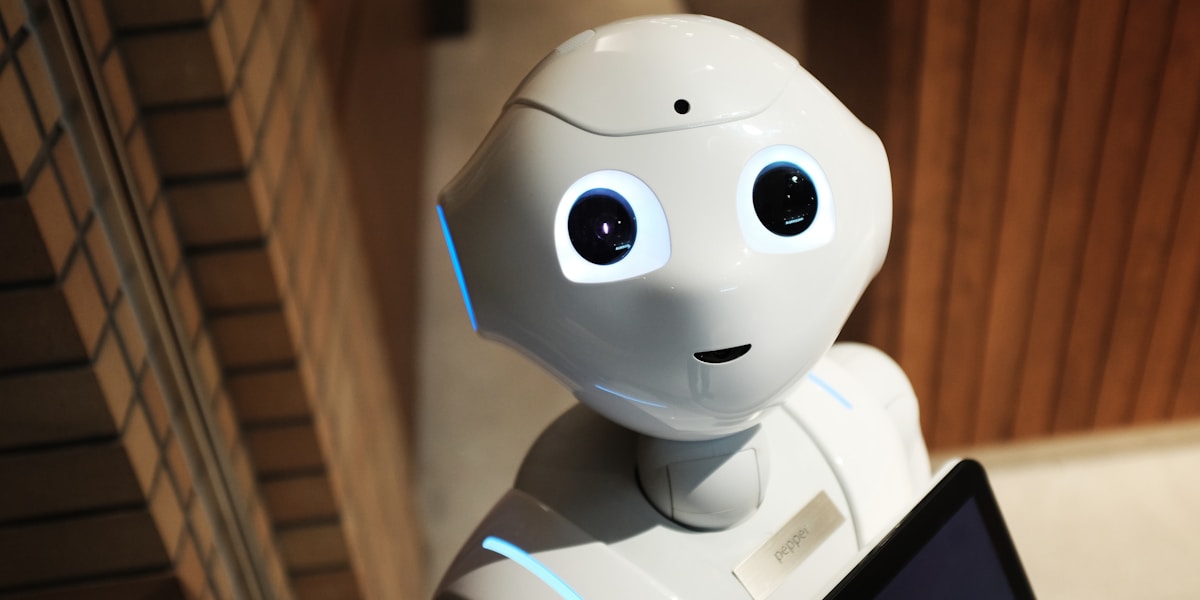
For decades, humanoid robots lived in two places: science fiction and research labs. That's changing fast. Figure AI just shipped its first commercial units to BMW's manufacturing plants. Tesla's Optimus is performing repetitive tasks in its own factories. And a wave of smaller robotics startups are racing to make humanoid labor available as a service.
The implications for the startup ecosystem are bigger than most founders realize.
The robot-as-a-service model
The breakthrough isn't the hardware — it's the business model. Nobody expects a startup founder to buy a $150K humanoid robot. But leasing one for $15/hour? That math starts to work very quickly.
Several companies are now piloting robot-as-a-service (RaaS) models targeted at small and mid-size businesses. The pitch: you get a humanoid worker that doesn't need breaks, doesn't call in sick, and can work the overnight shift. You pay by the hour. No benefits, no HR, no turnover.
For e-commerce founders running their own fulfillment, this is transformative. A $15/hour robot that can pick, pack, and ship orders 16 hours a day changes the unit economics of self-fulfillment from "barely viable" to "significantly cheaper than 3PL."
What they can actually do (today)
Let's be clear about the current state: humanoid robots in 2026 are not general-purpose workers. They can't do creative problem-solving, handle unexpected situations gracefully, or work in unstructured environments. What they can do is impressive but narrow:
- Repetitive physical tasks. Picking items from shelves, moving boxes, sorting packages. The tasks that are hardest to hire for because humans don't want to do them.
- Consistent quality control. Visual inspection at speeds and accuracy levels that humans can't sustain over an 8-hour shift.
- Dangerous environments. Working in extreme temperatures, handling hazardous materials, operating in spaces with poor air quality.
The key insight is that most warehouse and fulfillment work is exactly this: repetitive, physical, and precisely the kind of work that's hardest to staff reliably.
The startup opportunity
The robots themselves are built by well-funded companies — Figure ($2.6B raised), Tesla, Agility Robotics, 1X Technologies. But the ecosystem around them is wide open for startups:
Integration software. Someone needs to build the tools that connect robot workers to existing inventory management, WMS, and ERP systems. The APIs exist, but the middleware doesn't.
Training and customization. Each deployment needs task-specific training. Startups that can rapidly configure robots for specific workflows — and charge for it — have a real service business.
Monitoring and analytics. Fleet management for robot workers. Uptime tracking. Performance analytics. Predictive maintenance. This is a SaaS play waiting to happen.
The timeline
If you're a founder in e-commerce, manufacturing, logistics, or physical retail, humanoid robots will be relevant to your business within the next 2-3 years. Not as a curiosity. As a line item on your P&L.
The founders paying attention now — understanding the capabilities, building relationships with the RaaS providers, designing their operations to be robot-compatible — will have a significant advantage when the technology crosses the reliability threshold for mainstream adoption.
That threshold is closer than you think.